
Balanced Plate for Weight Loss Simple Portion Guide to Eat Well and Shed Fat
Weight loss gets much easier when every meal has a simple structure. No guessing. No complicated math. No “good food, bad food” rules. Just a plate that gives your body enough protein, fibre, nutrients, and satisfaction while keeping portions under control.
A balanced plate is one of the most practical tools for fat loss because it works in real life. You can use it at home, at restaurants, at family dinners, and during busy weeks when tracking every calorie feels like too much.
The goal is not to eat perfectly. The goal is to build meals that make weight loss more consistent.
Why the balanced plate works for weight loss
Most weight loss plans fail because they ask for too much precision too soon. Counting calories can work, but it is not always easy to maintain. Measuring every bite can become tiring. Cutting out entire food groups often leads to cravings and rebound eating.
The balanced plate gives you a middle ground.
It helps you control calories without needing to count them at every meal. It also keeps the quality of your food high, which matters for hunger, energy, digestion, and long-term health.
I often teach this through two simple ideas:
Build meals around a plate that includes protein, vegetables, smart carbohydrates, and healthy fats.
Use your hand as a portion guide when you do not want to weigh or measure food.

That second point is useful because your hand is always with you. It also tends to scale with body size. A larger person usually has a larger hand and may need more food. A smaller person usually has a smaller hand and may need less.
For fat loss, this matters because portions are the difference between “I eat healthy” and “I eat in a way that supports my goal.”
You can eat high-quality foods and still eat too much. You can also eat too little, feel deprived, and then overeat later. The balanced plate helps you find the zone between those two extremes.
The best weight loss meal is not the smallest meal. It is the meal that helps you stay consistent.
What should be on your plate

A simple weight loss plate usually has four parts:
Protein
Vegetables
Smart carbohydrates
Healthy fats
You do not need all four in equal amounts. They play different roles.
Protein helps you stay full and protect muscle

Protein should be the anchor of most meals. It supports muscle maintenance, which is important during weight loss. It also tends to be filling, which can make it easier to eat fewer calories without feeling like you are fighting hunger all day.
Good protein options include:
Chicken, turkey, lean beef, pork tenderloin, fish, shrimp, eggs, and Greek yogurt
Tofu, tempeh, edamame, lentils, beans, and protein-rich veggie burgers
Cottage cheese, kefir, or a simple protein smoothie when you need convenience
A practical portion is one palm-sized serving of protein per meal. Your palm means the size and thickness of your palm, not including your fingers.
Some people need more, especially if they train hard, have a larger body, or find themselves hungry soon after meals. In that case, use one and a half to two palms at a meal.
Vegetables add volume without many calories

Vegetables are a weight loss advantage because they add bulk, fibre, water, and micronutrients. They help fill the plate and the stomach without adding a large calorie load.
Aim for one to two fist-sized servings of vegetables at most meals.
Good choices include:
Broccoli, cauliflower, green beans, asparagus, zucchini, mushrooms
Leafy greens, cabbage, kale, spinach, romaine, arugula
Bell peppers, carrots, tomatoes, cucumbers, onions
Frozen mixed vegetables when time is tight
If vegetables feel boring, change the flavour before you change the habit. Roast them with garlic. Add salsa. Use lemon juice. Try a small amount of olive oil, herbs, or a yogurt-based sauce.
Smart carbohydrates fuel movement and keep meals satisfying...
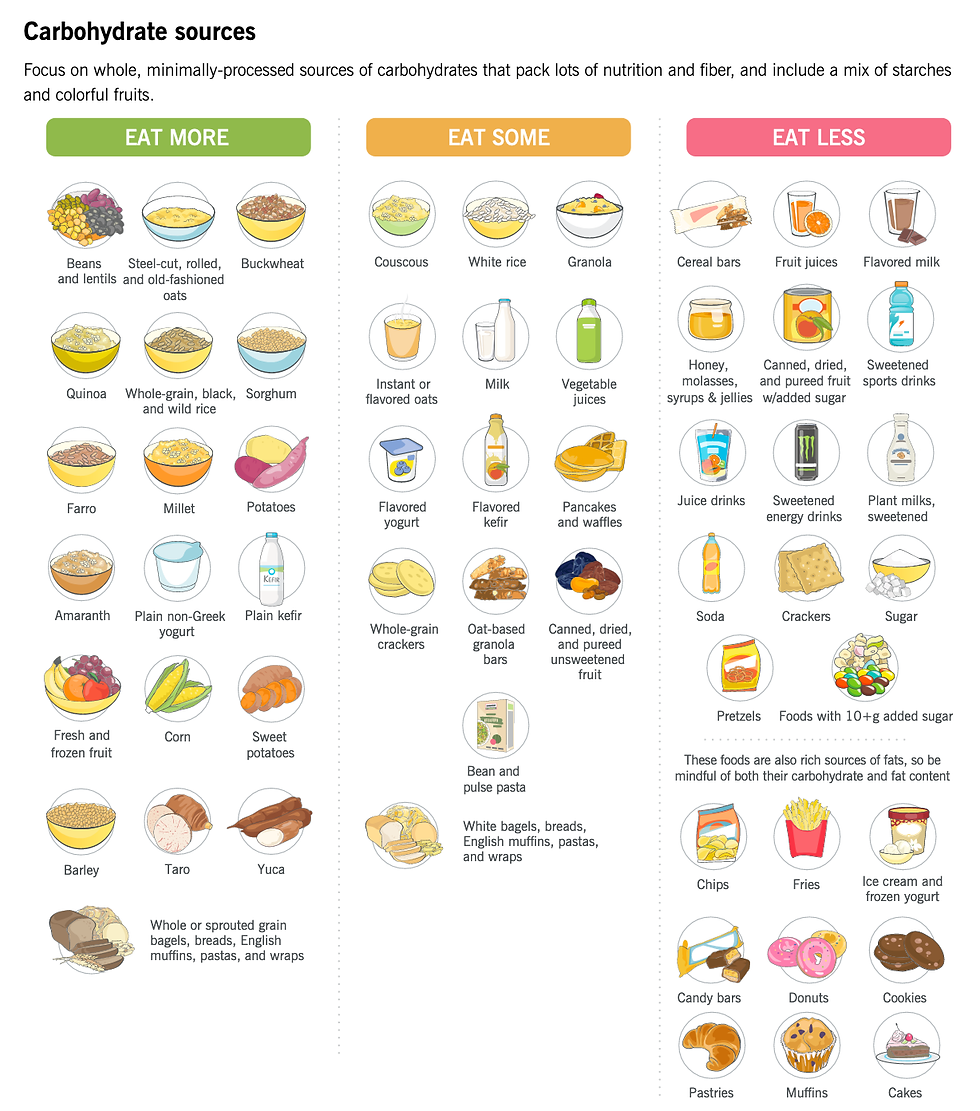
Carbs are not the enemy. Portion size and food choice matter more than fear-based rules.
For weight loss, choose carbs that bring nutrients, fibre, or movement fuel. A good starting point is one cupped-hand serving of carbohydrates at a meal. That means the amount you could hold in one cupped hand.
Useful options include:
Potatoes, sweet potatoes, squash, corn
Rice, oats, quinoa, barley, whole grain pasta
Beans, lentils, chickpeas
Fruit, especially berries, apples, oranges, bananas, and pears
If you are less active or weight loss has stalled, you may do better with a smaller carb serving at some meals. If you train hard, walk a lot, or feel flat and low-energy, you may need more.
Added Healthy fats support flavour and satisfaction

Fats make meals taste better and help with satisfaction. They are also calorie-dense, so portions matter.
A useful starting point is one thumb-sized serving of added fat per meal.
That could look like:
Olive oil, avocado oil, or butter used in cooking
Avocado
Nuts or seeds
Nut butter
Cheese
Olives
Salad dressings
Cream
Sour Cream
The key word is “added.” If your protein is already higher in fat, such as salmon, full-fat yogurt, sausage, or fattier cuts of meat, you may not need much extra fat at that meal.

The hand portion method makes the plate easier
The hand portion method is one of the simplest ways to manage calories without tracking. It turns nutrition into something visual and repeatable.
Here is the basic guide.
Food type | Portion guide | What it looks like |
Protein | 1 palm | Chicken, fish, tofu, Greek yogurt, lean meat |
Vegetables | 1 to 2 fists | Salad, broccoli, peppers, spinach, cauliflower |
Carbohydrates | 1 cupped hand | Rice, oats, potatoes, beans, fruit |
Fats | 1 thumb | Olive oil, nuts, avocado, cheese, nut butter |
For many people focused on fat loss, a starting plate could look like this:

1 palm of protein
2 fists of vegetables
1 cupped hand of carbs
1 thumb of fats
Water, sparkling water, tea, or another low-calorie drink
This is not a law. It is a starting point.
If you eat three to four times per day, this approach can create a reasonable calorie target without forcing you to calculate exact numbers. It also keeps each meal balanced enough to prevent the common pattern of eating very little during the day, then snacking heavily at night.
The balanced plate for weight loss is especially helpful because it gives you structure while leaving room for personal preference. You can use it with Mediterranean-style meals, vegetarian meals, higher-carb meals, lower-carb meals, or familiar home cooking.
How to adjust your plate when fat loss stalls
No portion guide is perfect forever. Your body, schedule, movement, hunger, sleep, and stress all affect your progress.
Use your results to adjust.
Give your starting plate about two weeks. Watch for trends, not one-day changes. Body weight can shift from salt, digestion, hormones, travel, and hard workouts.
Look for these signs:
Your average weight is slowly trending down
Clothes fit a little better
Hunger feels manageable
Energy is steady enough to train, work, and live
You can repeat the meals without feeling deprived
If those are happening, keep going.
If nothing changes after a couple of consistent weeks, adjust gently. You do not need to slash your food.
Try one change at a time.
Reduce carbs or fats slightly
The easiest calorie reduction usually comes from carbs or fats.
You could:
Use half a cupped hand of carbs at one meal ( instead of a full cupped hand)
Keep carbs around meals close to workouts and reduce carbs at a less active meal
Use half a thumb of added fat instead of a full thumb
Choose leaner protein more often
Swap fried foods for grilled, baked, or air-fried versions
Do not remove everything at once. Small reductions are easier to maintain.
Add more vegetables before cutting more food
If hunger is high, add more non-starchy vegetables before dropping calories again. A bigger salad, extra roasted vegetables, or a broth-based soup can make a meal feel more satisfying.
This is one reason the plate method works so well. You are not only eating less. You are eating in a way that helps you tolerate the calorie deficit.
Increase protein if meals do not hold you
If you feel hungry soon after eating, check protein first.
A salad with vegetables and dressing may be low-calorie, but it may not be enough. Add chicken, tofu, tuna, eggs, cottage cheese, beans, or Greek yogurt.
Protein does not need to be fancy. It needs to be present.
How to build balanced meals in real life
A plate method only helps if it works on a normal day. That means it needs to fit rushed breakfasts, work lunches, takeout, and family meals.
Here are a few examples.
Breakfast
Try one of these:
Greek yogurt with berries, oats, and a small spoon of nut butter
Eggs with sautéed vegetables, a slice of whole grain toast, and avocado
Protein smoothie with protein powder or Greek yogurt, frozen fruit, spinach, and chia seeds
Cottage cheese with fruit and a small handful of nuts
Many breakfasts are mostly carbs, such as toast, cereal, muffins, or granola bars. Those can leave you hungry. Add protein and fibre, and the meal usually works better for weight loss.
Plate Section | Examples | Notes |
Protein (25%) | Eggs, Greek yogurt, cottage cheese, turkey bacon, protein smoothie | Keeps you full and stabilizes blood sugar. |
Carbohydrates (25%) | Oats, whole‑grain toast, fruit (berries, banana, apple), quinoa | Choose fiber‑rich carbs for steady energy. |
Fats & Oils (1–2 Tbsp) | Nut butter, seeds, avocado, olive oil, cheese | Add flavor and help absorb nutrients. |
Vegetables (optional) | Spinach in eggs, peppers in omelets, greens in smoothies | Not required at breakfast, but great if you can fit them in. |
Lunch
Build lunch around protein and vegetables first.
Simple options include:
Chicken salad bowl with quinoa, vegetables, and olive oil vinaigrette
Turkey or tofu wrap with raw vegetables and fruit on the side
Lentil soup with a side salad and Greek yogurt
Tuna, salmon, or chickpea bowl with rice, cucumber, peppers, and avocado
If lunch is takeout, use the same structure. Order a bowl or plate with lean protein, extra vegetables, a moderate carb portion, and sauce on the side when possible.
Meal | Protein (25%) | Carbohydrates (25%) | Vegetables (50%) | Fats & Oils |
Turkey & Cheese Wrap | Sliced turkey, cheese | Whole‑grain wrap | Spinach, peppers, cucumber | Avocado or hummus spread |
Chicken Rice Bowl | Grilled chicken | Brown rice | Broccoli, carrots, edamame | Sesame oil drizzle |
Egg Salad Plate | Hard‑boiled eggs | Whole‑grain crackers | Mixed greens, tomato, cucumber | Olive oil dressing |
Tuna Power Bowl | Tuna (or salmon) | Quinoa | Leafy greens, shredded carrots, bell peppers | Seeds or avocado |
Leftover Remix | Any lean protein | Sweet potato or whole‑grain toast | Roasted veggies or salad | Olive oil or nuts |
💡 Prep tip: Batch‑cook proteins (chicken, turkey, eggs) and grains (rice, quinoa) early in the week, then mix and match with fresh veggies and healthy fats for effortless variety.
Dinner
Dinner is often where portions gradually grow. A balanced plate keeps it clear.
Try:
Salmon, roasted potatoes, green beans, and a small amount of olive oil
Lean beef or tofu stir-fry with mixed vegetables and rice
Chicken tacos with lots of peppers, salsa, lettuce, beans, and a controlled amount of cheese
Turkey chili with beans, vegetables, and a side salad
Family-style meals can still work. Serve your plate once using the portion guide, then pause before going back for seconds. If you are still hungry, add vegetables or protein first.
Eating slowly matters more than most people think
I also teach a habit that sounds simple but can change everything: eat slowly and stop when satisfied.
This matters because fullness is not instant. If you eat quickly, it is easy to overshoot before your body has time to signal that it has had enough.
Try this at one meal per day:
Sit down to eat when possible
Put your fork down between some bites
Chew fully before taking the next bite
Notice taste, texture, and hunger
Stop when you feel satisfied, not stuffed
A good target is to finish a meal feeling about 80 percent full. That means you feel comfortable and no longer hungry, but not heavy or sleepy.
This habit pairs well with the plate method. The plate manages portions before you eat. Slower eating helps you respond to your body while you eat.
What about treats, snacks, and weekends
Weight loss does not require perfect eating. It does require enough consistency across the week.
Treats can fit, but they need a plan. If higher-calorie snacks, alcohol, desserts, or restaurant meals show up often, they can erase the calorie deficit from your balanced meals.
Use these guidelines:
Keep most meals built around the plate method
Choose treats you truly enjoy, not random extras
Plate snacks instead of eating from the bag
Include protein at snacks when hunger is the reason
Watch liquid calories from alcohol, juice, sweet coffee drinks, and pop
Smart snacks include Greek yogurt, fruit, boiled eggs, cottage cheese, protein smoothies, vegetables with hummus, or a small portion of nuts with fruit.
For weekends, avoid the all-or-nothing trap. A restaurant meal does not need to become a full weekend off-plan. Use the same plate idea as closely as you can, enjoy the meal, and return to your normal structure at the next one.

A simple plate checklist for your next meal
Before you eat, ask four questions:
Do I have a palm-sized serving of protein?
Do I have one to two fists of vegetables or fruit and vegetables?
Do I have a cupped-hand portion of smart carbs, adjusted for my activity and goal?
Do I have a thumb-sized portion of healthy fat, including oils, cheese, nuts, or avocado?
Then ask one more question while eating:
Am I slowing down enough to notice when I am satisfied?
That is the real skill. The balanced plate is not a diet you follow perfectly for a few weeks. It is a repeatable way to eat that can support fat loss, maintenance, and better health after the weight comes off.
Start with your next meal. Build the plate. Use your hand for portions. Eat slowly. Then repeat often enough that weight loss becomes less about willpower and more about a meal pattern you can actually live with.


Comments